


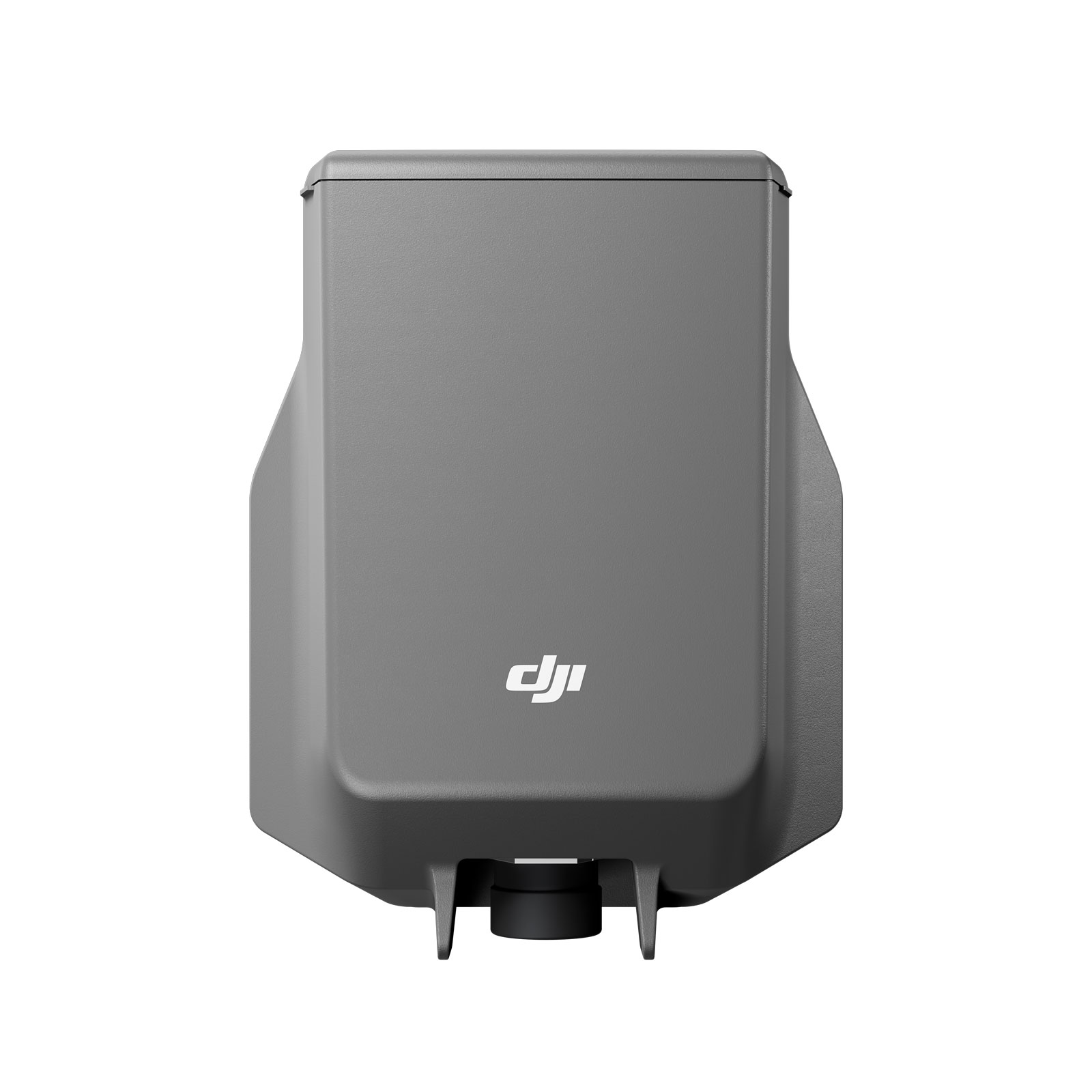
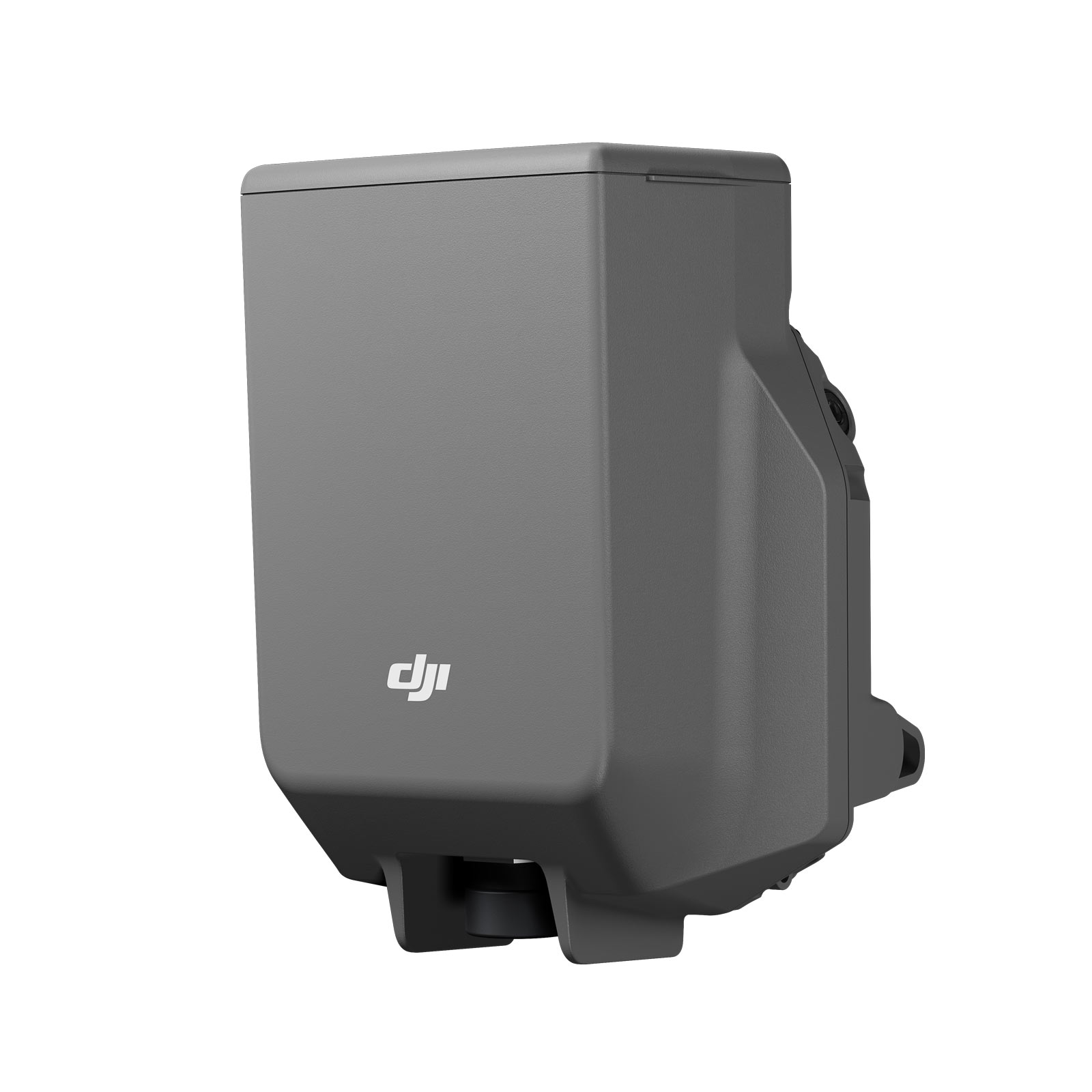
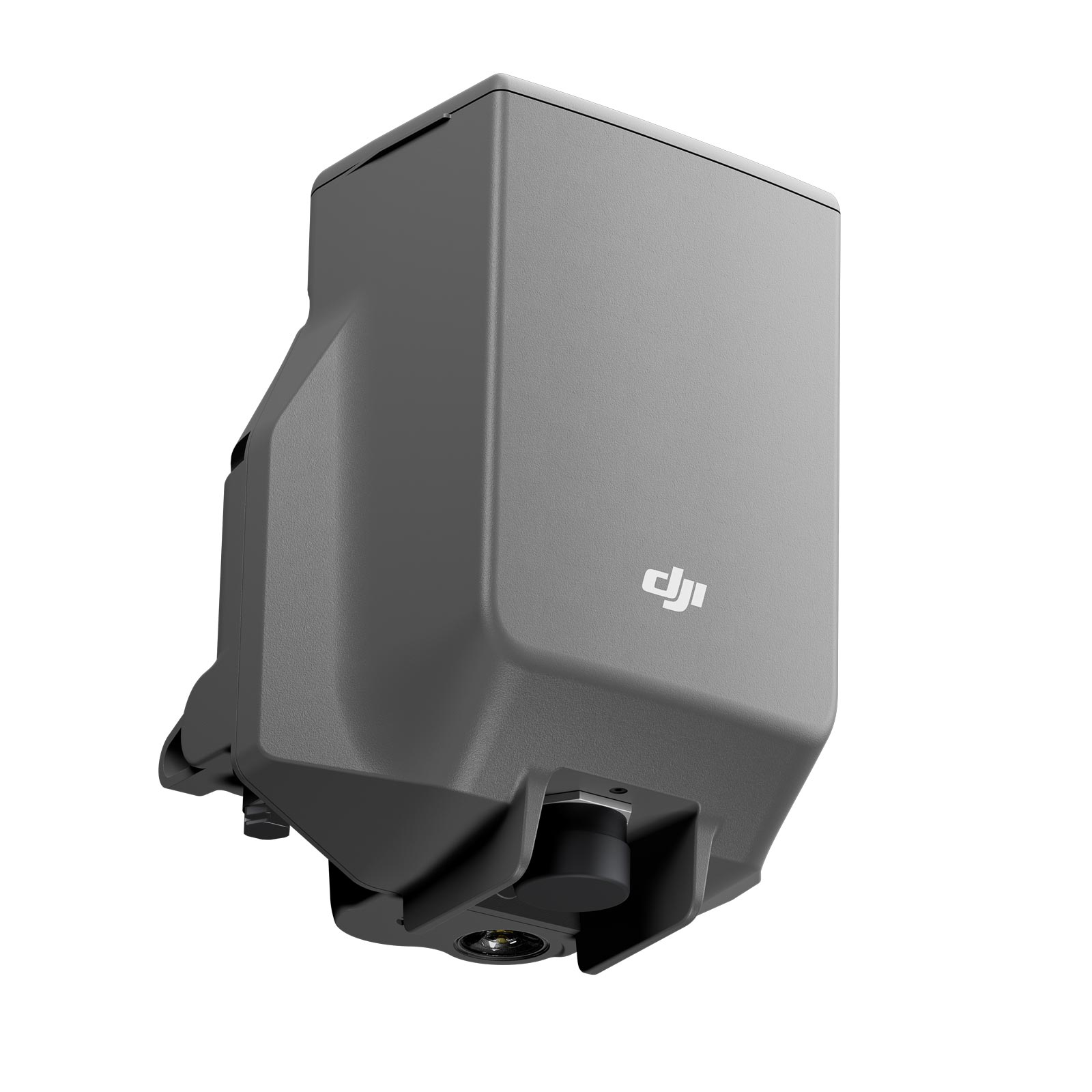
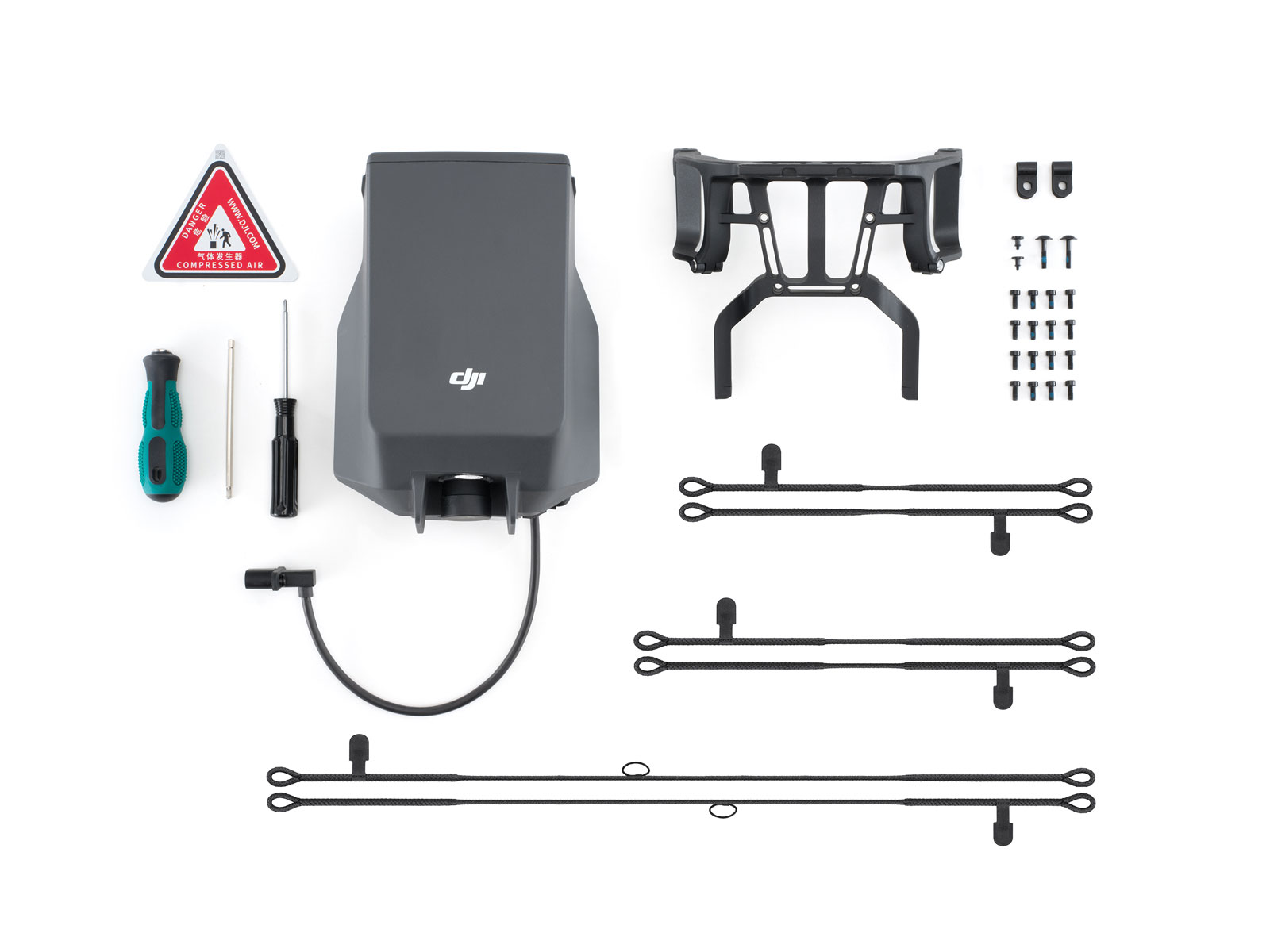
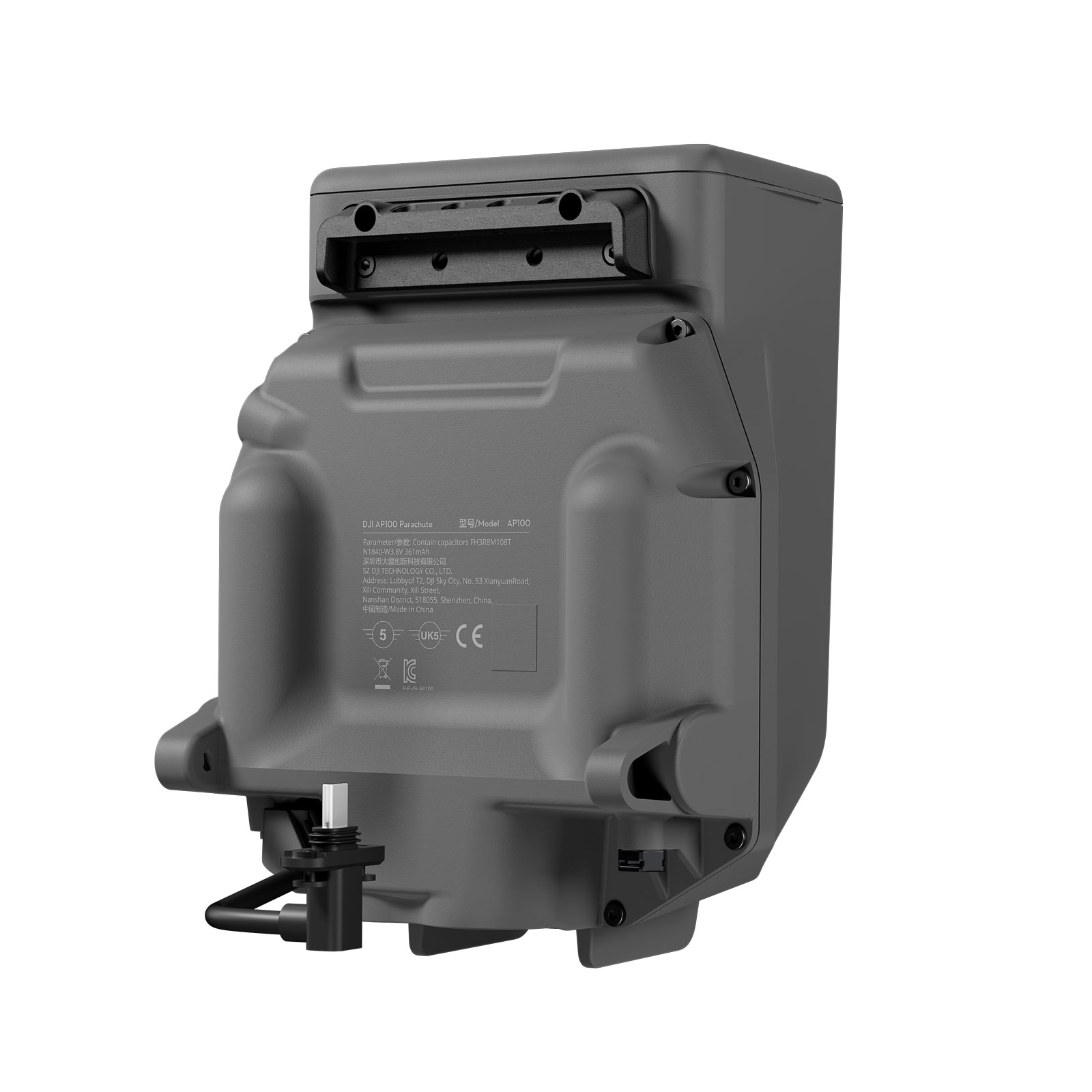
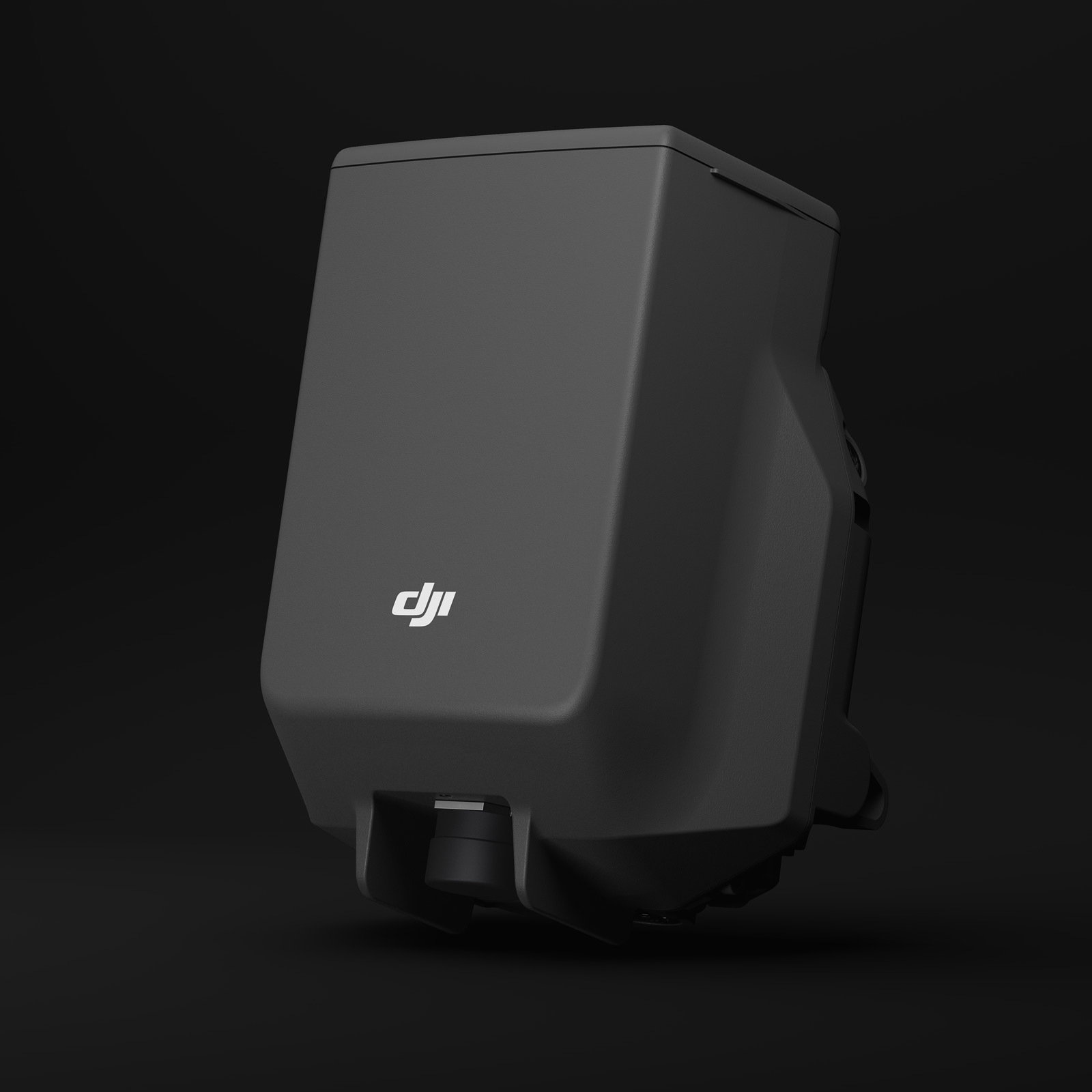
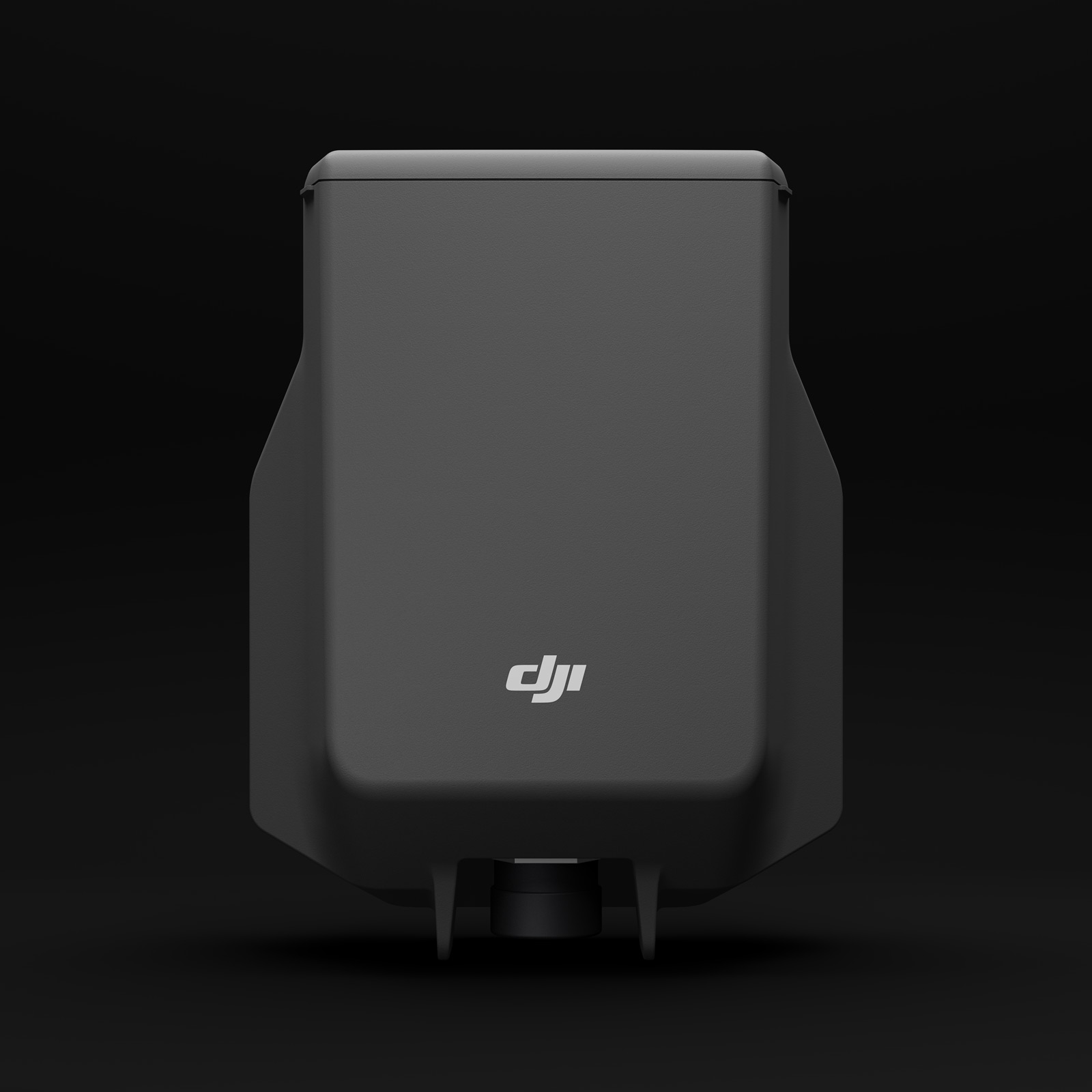
DJI AP100 Parachute
£1,010.00
- Emergency parachute recovery system
- Automatic deployment in emergencies
- Reduces impact during aircraft failure
- Enhances operational safety
- Designed for compatible DJI drones
DJI AP100 Parachute — Advanced Enterprise Recovery System
The DJI AP100 Parachute is DJI Enterprise’s first purpose-built safety parachute recovery system designed explicitly for the flagship Matrice 400 airframe. Engineered to safeguard “the priceless below” — including crews, expensive payloads, and ground infrastructure — the AP100 provides a complete hardware and software safety net. It serves as a vital compliance pathway for commercial operators navigating strict UK Civil Aviation Authority (CAA) and EASA regulations. Authorised and supported by Drone Sales UK.
≤ 600 ms Rapid Deployment
Integrated Flight Termination (FTS)
Independent Power Architecture
IP55 All-Weather Protection
Acoustic & Visual Recovery Locators
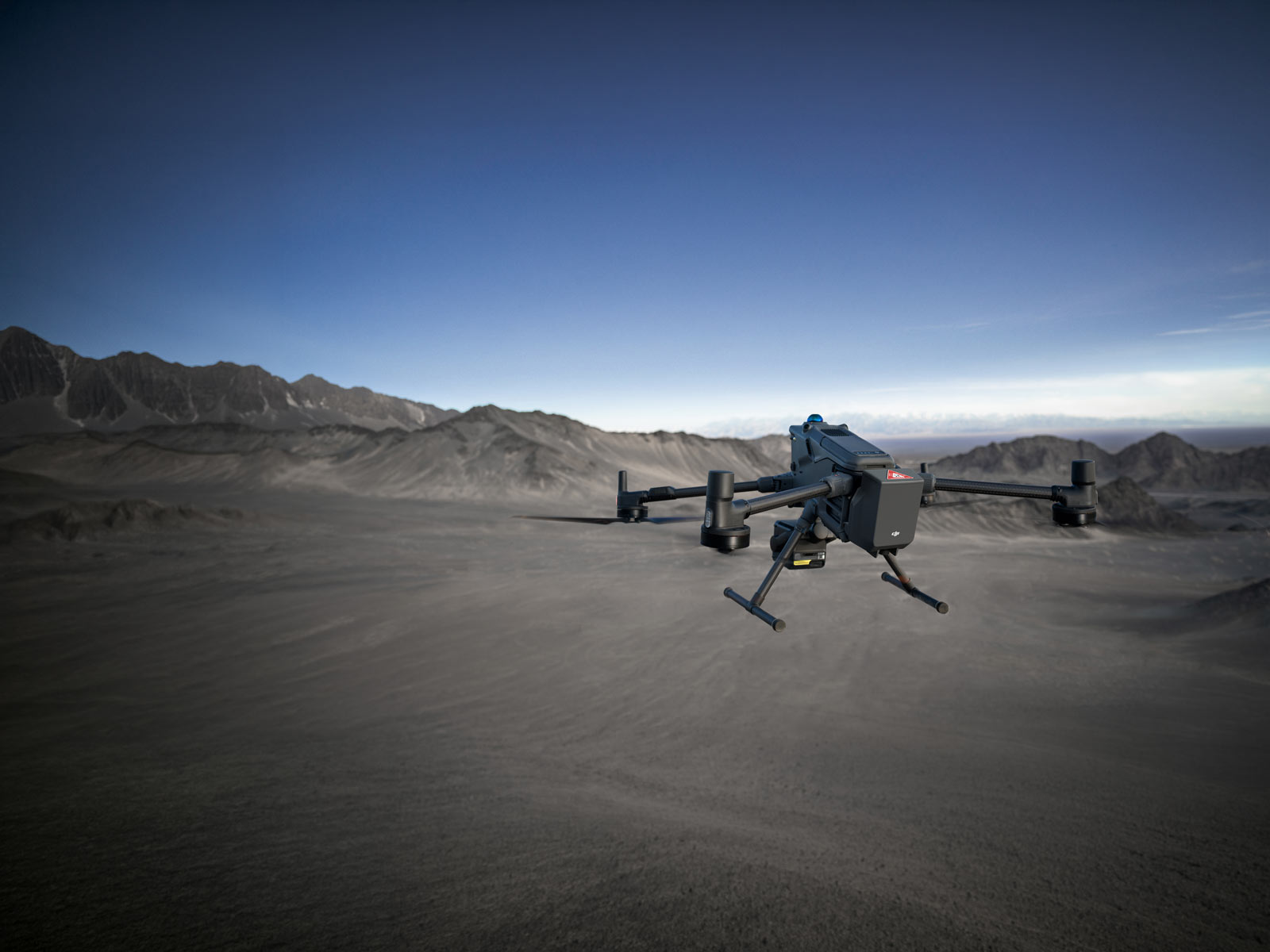
Unlocking Complex Operations: Fly Over People and BVLOS
Conducting high-density urban mapping, asset monitoring, or beyond visual line of sight (BVLOS) missions requires a certified safety layer to satisfy aviation regulators. The DJI AP100 Parachute directly fulfills this requirement. By equipping the Matrice 400 with the AP100, operators can legally meet C5/UK5 requirements for flights over populated areas (STS-01) or C6/UK6 operational safety boundaries for BVLOS setups (STS-02 via the factory combo). It effectively removes legal hurdles, transforming complex risk assessments into fully certifiable flight pathways.
- Satisfies UK CAA and EASA framework mandates for flying inside restricted or heavily populated zones.
- Minimal aircraft payload footprint, weighing approximately 935 grams with only a ~6 minute impact on max airtime.
- Enables faster operational permit clearances for urban infrastructure, delivery, and mapping projects.
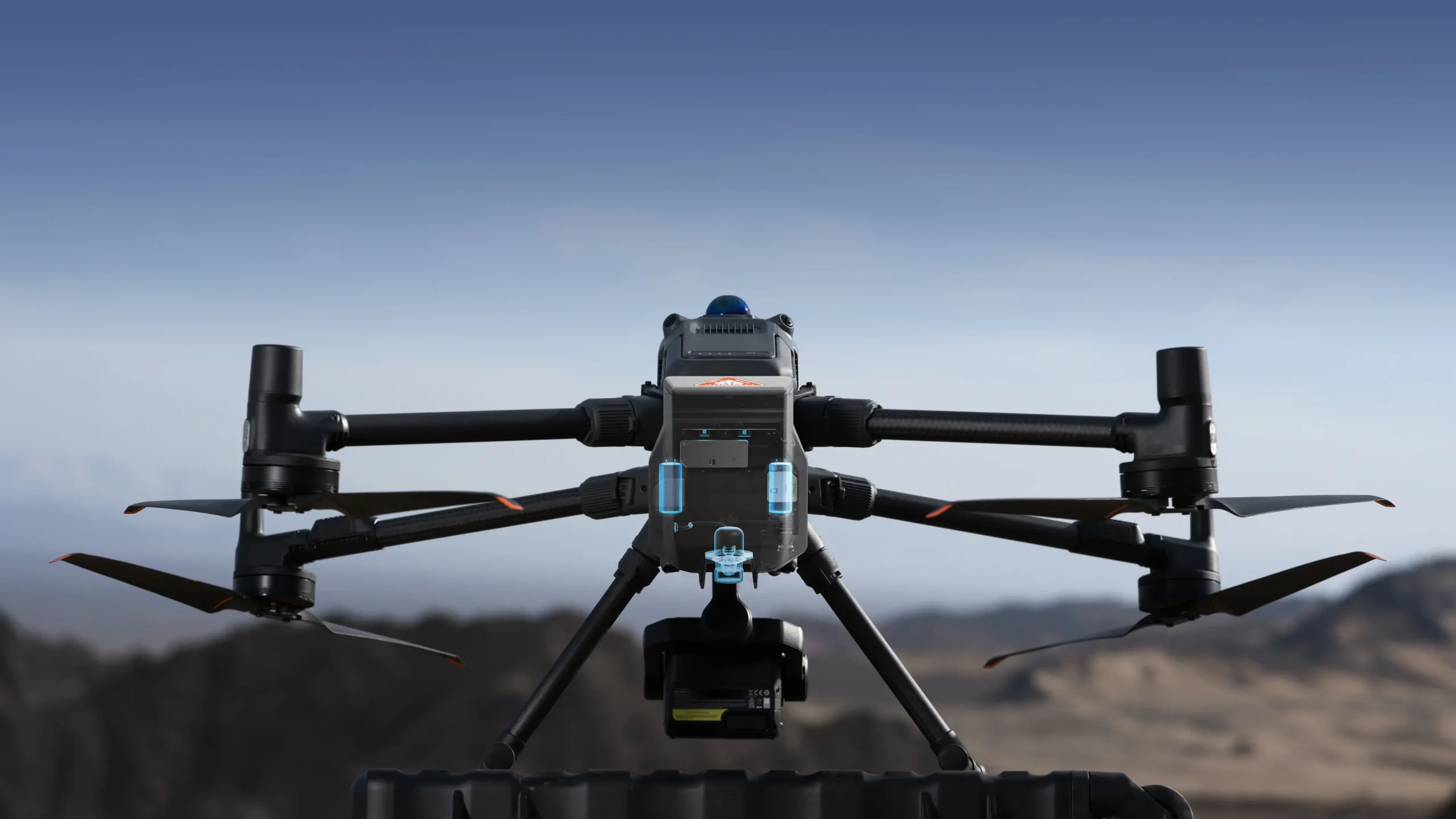
Split-Second Automatic Deployment Architecture
When an inflight malfunction occurs, manual human reflexes are rarely quick enough. The AP100 features automated onboard intelligence to act instantly.
- Millisecond Activation: The system continuously runs automated data cross-validation and fully deploys in less than 600 milliseconds from fault identification.
- Integrated Flight Termination: Built-in FTS mechanics command the drone’s ESC circuits to completely sever motor power before canopy ejection, eliminating rotor entanglement hazards.
- Controlled Descent: Decelerates the falling airframe to a stable descent speed of ≤ 5 m/s, radically mitigating impact damage.
Complete System Independence & Redundancy
A safety recovery device must remain fully functional even if the aircraft loses complete battery power or suffers a critical short circuit.
- Isolated Sensors & Power: Houses its own internal flight control boards and a dual-capacitor array providing up to 1 hour of independent backup power.
- Dual Manual Trigger Paths: In addition to automated triggers, pilots can activate deployment manually via a DJI Pilot 2 touchscreen slider, or remotely through DJI FlightHub 2.
- HMS Self-Check Loop: Communicates through the DJI Health Management System at power-up to run real-time checks on the link stability and gas generator.
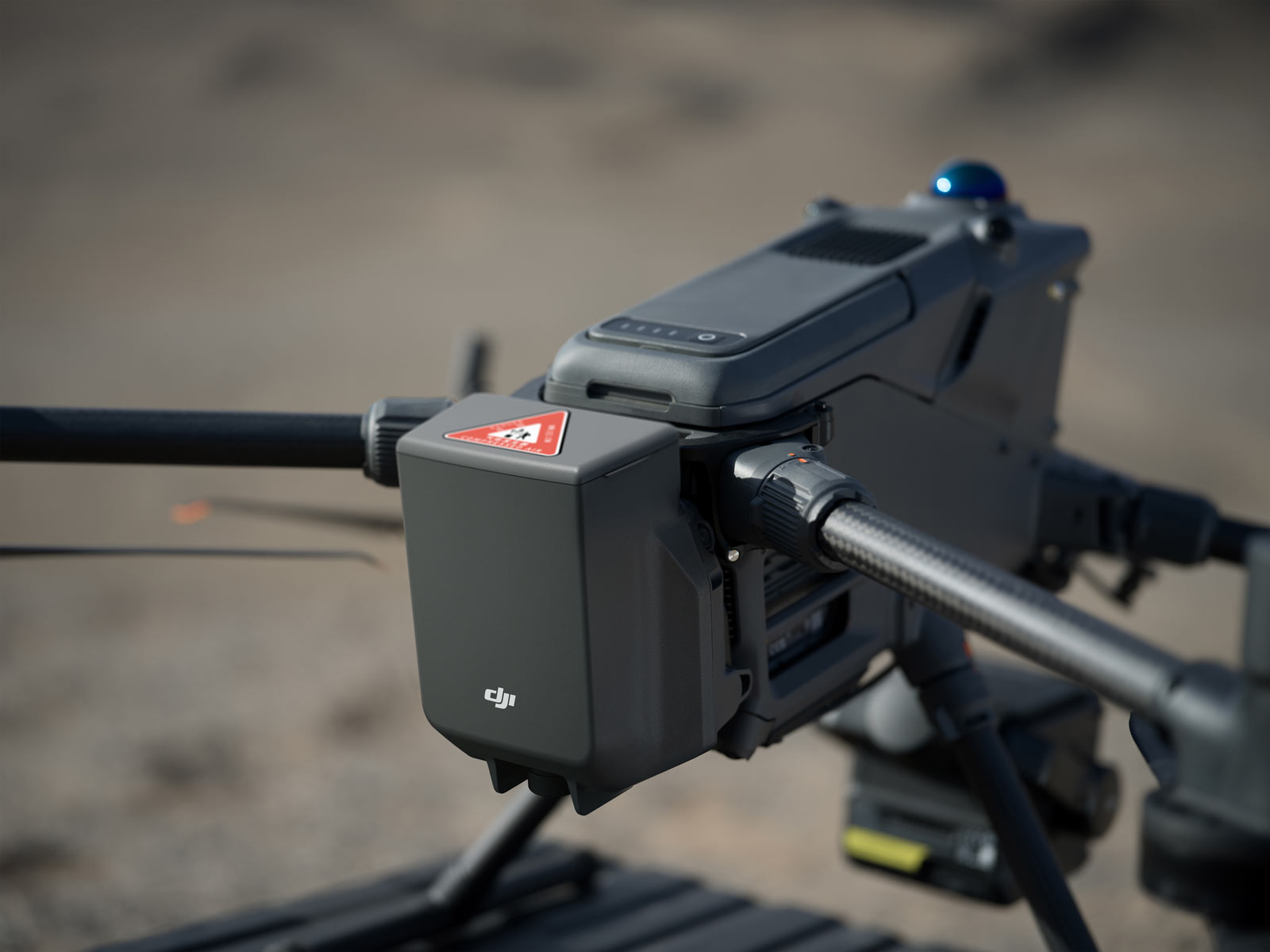
Rugged Environmental Readiness & Post-Incident Recovery
Industrial missions don’t halt for heavy rain, high winds, or freezing temperatures, and neither does the AP100.
- All-Weather IP55 Rating: Fully sealed against environmental dust ingress and heavy downpours.
- Extreme Temperature Thresholds: Operational across demanding climates ranging from -20°C up to 50°C.
- Location Beacons: Following an emergency deployment, the system continuously broadcasts high-decibel acoustic alarms and bright flashing lights for up to 1 hour to aid rapid retrieval.
Operational Note: When the DJI AP100 Parachute is installed, the Matrice 400 will automatically disable its rearward and downward millimeter-wave radars to ensure an unobstructed canopy deployment path. Flight crews should remain observant of structural hazards in those specific directions during manual maneuvers.
Supported Tactical Airframes & Fleet Integration
The DJI AP100 Parachute functions as an exclusive safety component designed directly for the latest DJI Enterprise platform layer:
| Airframe Platform / Package | Integration Support & Compliance Level | Quick Link |
|---|---|---|
| DJI Matrice M400 (Standard Add-on) | Native physical mount. Retrofitting allows compliance with EASA C5 / UK5 operational safety parameters (STS-01). | View M400 Range → |
| DJI Matrice M400 (Worry-Free Plus Combo) | Factory-certified bundle unlocking complete compliance for EASA C6 / UK6 Beyond Visual Line of Sight (BVLOS / STS-02). | View C6 Bundles → |
| DJI Zenmuse Payloads (L3 / L2 / P1) | Full mechanical data and safety protection clearance with zero sensor interference during operation. | Enquire for Details → |
What is the deployment response time and descent speed of the AP100?›
In a critical flight event, the AP100’s integrated pyrotechnic gas generator system instantly cuts motor power and ejects the nylon canopy with an automatic response time of **under 600 milliseconds**. Once fully inflated, it slows the drone’s stabilised descent speed to **≤ 5 m/s**, significantly minimising potential impact damage on the ground.
What is the minimum effective deployment altitude for the parachute?›
The AP100 requires a minimum effective operational altitude of **≥ 30 metres** to ensure the high-pressure gas generator can completely eject the lines, clear the aircraft frame, and fully inflate the nylon canopy to successfully stabilise the aircraft before it reaches the ground.
How does the independent power supply and backup redundancy work?›
The parachute operates as a completely self-contained safety ecosystem. It features built-in dual capacitors that provide up to **1 hour of independent backup power**. This means its onboard attitude sensors, flight tracking algorithms, and automatic deployment systems remain active even if the Matrice 400 suffers a complete main battery failure or an E-Port disconnect.
What triggering methods can be used to deploy the AP100?›
The parachute supports three distinct deployment modes: Automatic Deployment triggered instantly by built-in flight attitude/speed anomalies or Geocaging breaches; Manual App Deployment via an on-screen slider in DJI Pilot 2; and Remote FTS Deployment commanded via the cloud-based DJI FlightHub 2 interface.
How much does the parachute impact the Matrice 400’s flight time?›
Owing to its highly optimised, ultra-lightweight design (935g including the structural mounting bracket), the AP100 preserves the Matrice 400’s maximum supported takeoff weight of 15.8 kg while incurring a minimal flight time penalty of only about 6 minutes.
Does mounting the AP100 restrict any of the drone’s standard features?›
Yes. To prevent accidental obstruction or tangling during an emergency deployment, the Matrice 400 automatically disables its downward and backward millimetre-wave (mmWave) radars when the AP100 is connected. Operators must remain aware that small-obstacle sensing will be reduced in these specific directions during flight.
Are there specific environmental protection ratings and maintenance lifespans?›
The AP100 shares the Matrice 400’s rugged IP55 weather rating and works reliably in heavy dust or rain across temperatures ranging from -20°C to 50°C. Note that it is a single-use pyrotechnic device that must be replaced after deployment. For ongoing regulatory safety, the unit must be retired and replaced 3 years after initial activation, even if routine self-checks show no issues.
Can Drone Sales UK supply certified C5/C6 compliance kits?›
Yes. Drone Sales UK provides complete European and UK compliance packages. We supply standalone AP100 Parachute kits to upgrade your existing Matrice 400 to meet C5/UK5 regulations, as well as factory-certified **Matrice 400 (C6) Worry-Free Plus Combos** complete with the pre-installed Flight Termination System needed for compliant BVLOS operations.
DJI AP100 Parachute — Enterprise Recovery System Specifications
The ultimate first-party emergency recovery system purpose-built for enterprise flight safety. Integrating an independent Flight Termination System (FTS) with a highly reliable pyrotechnic gas ejection core, the AP100 enables advanced compliance for over-people and complex missions by automatically cutting propulsion and deploying a high-strength nylon canopy in under 600 milliseconds.
≤ 600 ms Rapid Gas Ejection Deployment
15.8 kg Max Supported Takeoff Mass
Independent FTS Control & Rotor Stop Links
IP55 Weatherproof Ingress Rating
Automated Flight Anomaly & Geocaging Triggers
Physical Form Factor & Airframe Constraints
- Structural Footprint Dimensions: Aerodynamic safety chassis layout measuring 182×171×157 mm (L×W×H) when fully integrated with its installation bracket.
- Payload Weight: Adds a highly optimized profile scaling on weight grids at approximately 935 grams including its mounting frame hardware.
- Max Takeoff Capacity: Fully engineered to stabilize and protect heavy aircraft configurations operating up to a 15.8 kg maximum supported takeoff weight threshold.
- Operational Deployment Ceilings: Rated for reliable structural initialization across altitude boundaries spanning from sea level up to a 4500-meter operating ceiling. Operating temperature thresholds range from -20° to 50° C (-4° to 122° F).
- Ingress Weather Hardening: Certified with an IP55 protection rating under controlled laboratory baselines to insulate technical ejection components from ambient dust and light water bursts.
Deployment Dynamics & Descent Speeds
- Rapid Ejection Action: Delivers an automatic deployment response time of ≤ 600 ms. This absolute window tracks from the initial hardware trigger of the Flight Termination System (FTS) signal, through confirmed full rotor stop sequence, to the generation of the gas generator electrical signature.
- Controlled Descent Vectoring: Restrains kinetic gravity drops down to a stabilized descent speed of ≤ 5 m/s under canopy to minimize ground collision force.
- Effective Altitude Envelope: Demands a minimum effective operational deployment altitude of ≥ 30 meters. This vertical air gap is the absolute lowest threshold required for the canopy to inflate completely and drop descent speed below 5 m/s. While ejection still activates beneath 30 m, incomplete canopy expansion may limit deceleration effects.
- Canopy Materials Architecture: Formed out of premium, high-strength woven Nylon fabric tailored to expand rapidly under explosive gas pressure without shredding.
Intelligent Safety Logic & Operational Triggers
- Independent FTS Infrastructure: Configured with entirely separate control loops and dedicated hardware rotor stop lines to bypass typical aircraft logic blocks during terminal emergencies.
- Automated Anomaly Tracking: Active monitoring algorithms automatically deploy the parachute core upon isolating severe deviations in aircraft velocity vectors or abnormal structural attitude behaviors.
- Geocaging Security Profiles: Supports autonomous deployment sequences mapped out via modern Geocaging parameters across specific target jurisdictions including EU member states, the United Kingdom, Norway, Iceland, Switzerland, Liechtenstein, Serbia, and Georgia.
- Close-Range Safe Locks: To safeguard ground operations from damage caused by low-altitude close-range deployments, auto-triggers are safely disabled if the aircraft enters a 10m radius of the active Home Point, or drops into a relative vertical window within 15 m above or below the target coordinates (also scales with localized Cleaning Mode presets up to 15 m above Home Point).
- Flexible Manual Deploy Routines: Natively supports manual emergency deployment command signals sent via the flight application control panels or forced via localized cloud links on the DJI FlightHub 2 FTS web platform (available across EU states, UK, Norway, Switzerland, and selected regional territories).
Advanced Self-Checks & Post-Crash Alerting
- Continuous Diagnosis Testing: Internal microprocessors run background loops checking the technical health of the internal gas generator and linked communication paths, routing errors instantly to the DJI Pilot 2 Health Management System (HMS) interface.
- Standalone Backup Power Array: Features an integrated Lithium backup power solution maintaining hardware readiness for approximately 1 hour should the aircraft suffer a complete power loss. Main line PoE systems charge and float battery voltage fields cleanly between 7.0 V and 7.4 V using an automated preservation routine.
- Acoustic & Visual Recovery Beacons: Upon a deployment event, the system fires loud acoustic alarms and high-visibility flashing warning strobes lasting up to approximately 1 hour to assist recovery teams. Beacons can be manually canceled using a physical button toggle built straight onto the parachute pod.
* All safety response speeds, terminal landing vectors, and vertical expansion metrics represent values obtained under clear 25° C windless laboratory conditions at the absolute maximum 15.8 kg takeoff weight limit on the DJI Matrice 400. Ingress IP54 protection properties require tight secure sealing parameters and will experience nominal degradation over extended field life cycles due to physical wear, tear, and exposure.
Downloads

Windows Version v2.1.20
Mac Version v2.1.20
Related Products
-


DJI M400 Surveying & Mapping Pro
£33,407.00 Buy Now -


DJI M400 Inspection & Infrastructure
£21,210.00 Buy Now -
DJI O4 Ground Station
£1,880.00 Buy Now -
Manifold 3
£1,160.00 Buy Now -
DJI Zenmuse V1
£810.00 Buy Now -
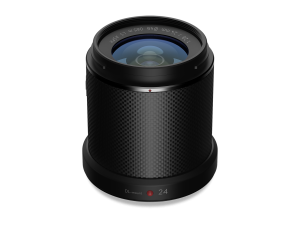
Zenmuse X7 DJI DL 24mm
£1,299.00 Buy Now -
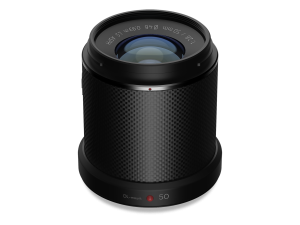
Zenmuse X7 DJI DL 50mm
£1,199.00 Buy Now -
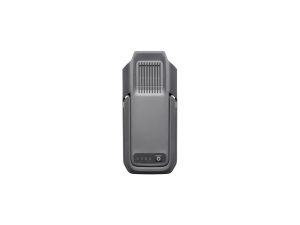
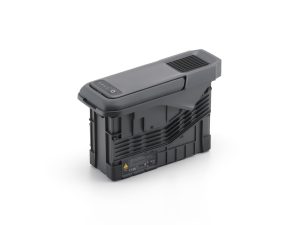
TB100 Flight Battery
£1,320.00 Buy Now -
DJI BS100 Intelligent Battery Station
£1,150.00 Buy Now -
DJI Zenmuse L3
£13,150.00 Buy Now