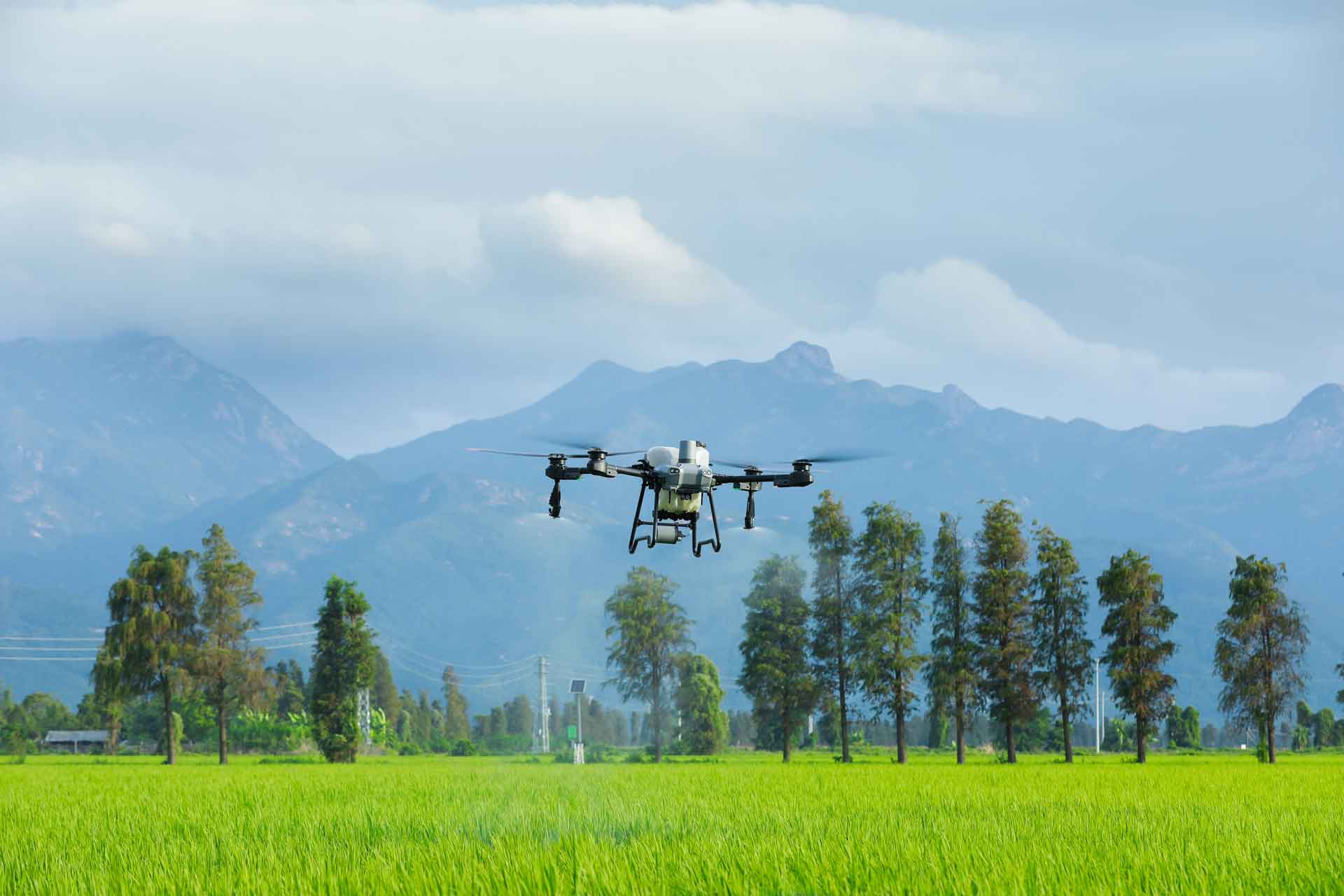
The face of UK farming is changing rapidly, and precision agriculture is no longer just a luxury for mega farms. At Drone Sales UK, we’ve watched agricultural drones transition from experimental tech to essential field tools. DJI’s latest entry into the compact spraying market has caused quite a stir, leading to one of the most frequent questions hitting our inbox: What exactly is the difference between the standard DJI Agras T25 and the upgraded Agras T25P? Both platforms bring massive capabilities to smaller and medium sized holdings, but choosing the right model comes down to understanding how their differences impact your daily spraying, spreading, and mapping workflow.
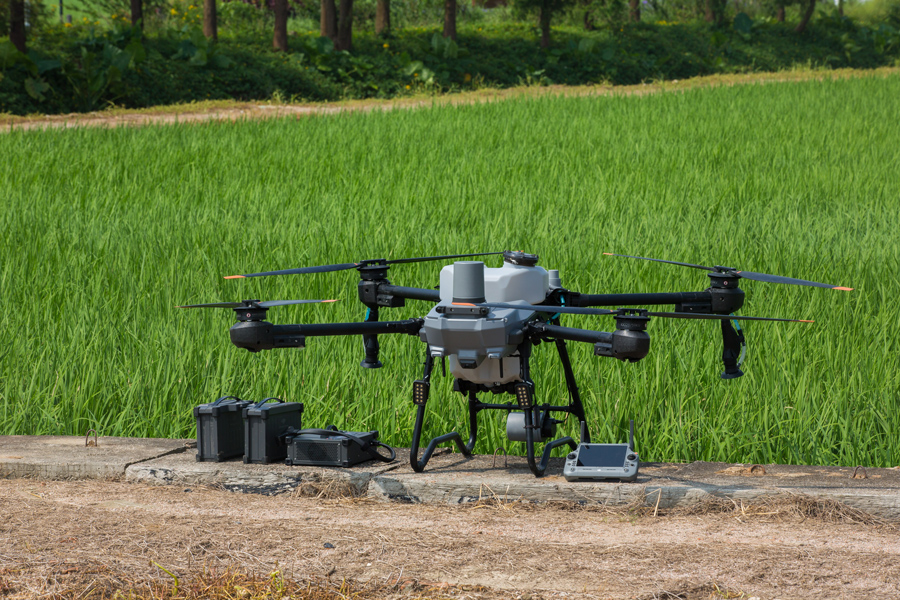
A Compact Design Built for UK Field Logistics
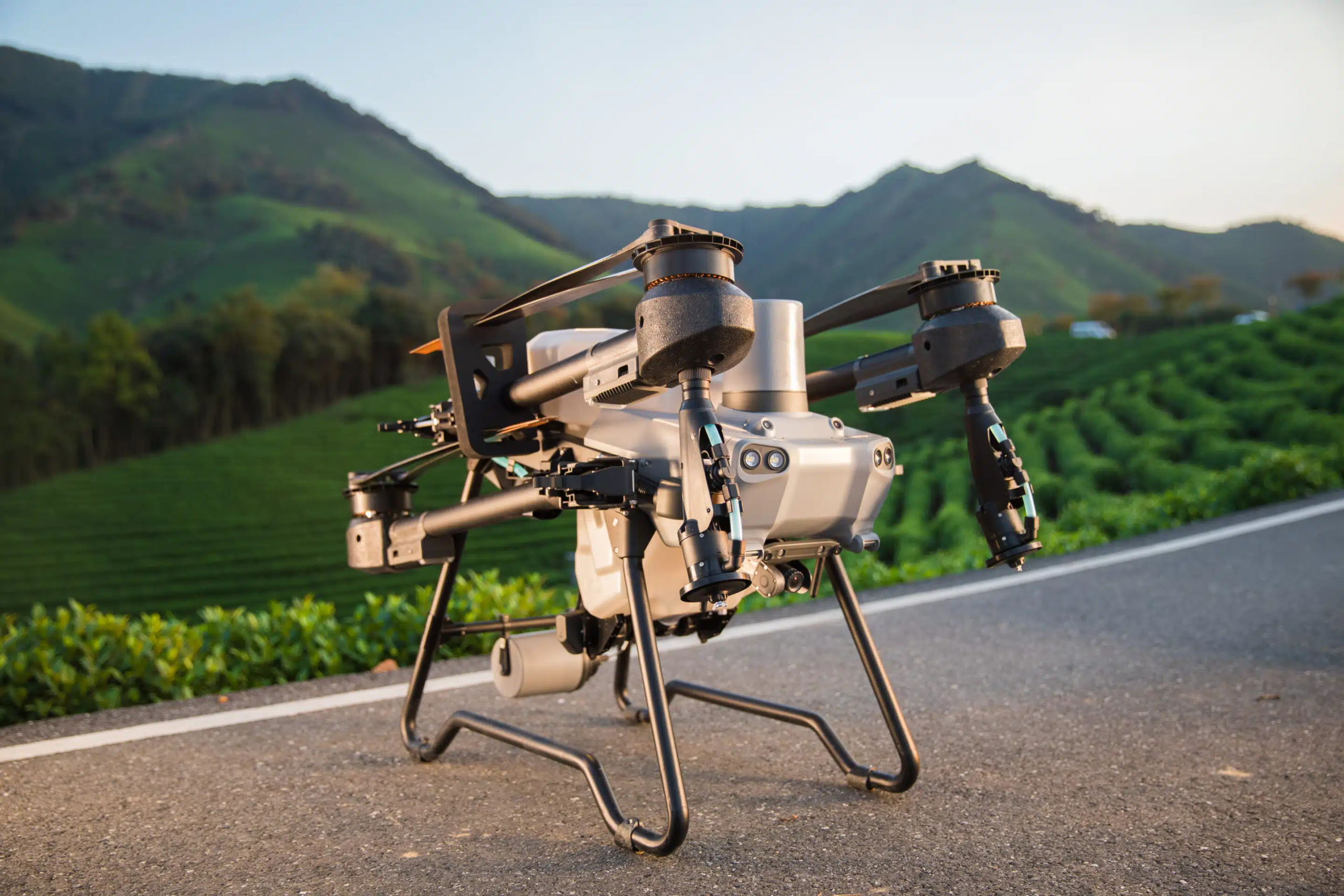
One of the biggest hurdles for UK farmers adopting drone technology has been the sheer physical size of larger commercial aircraft. Both the T25 and T25P address this directly with a highly portable, foldable design that allows a single operator to manage transport and deployment without an assistant.
From our perspective as a specialist supplier, this smaller footprint is ideal for the typical British layout—where navigating narrow farm lanes, tight gates, and irregular field boundaries is a daily reality. Both models feature the same core structural architecture, allowing them to carry a 20kg spraying payload or a 25kg spreading payload. They offer a massive step up in efficiency without requiring a large support trailer or an entire crew just to get the aircraft to the staging area.
Understanding the “P” Factor: Power and Processing
The core distinction between the base T25 and the premium T25P comes down to processing power, transmission stability, and charging infrastructure efficiency. While they look nearly identical on the landing pad, the T25P is engineered for higher-intensity cycles and more demanding environments.
What DJI has done with the T25P is enhance the internal computing and radar capabilities. The T25P features an upgraded vision system and advanced obstacle avoidance processing, making it much more capable when mapping and spraying complex orchard terrains, hilly fields, or areas with dense tree canopies and powerlines. If your land involves significant elevation changes or irregular obstacles, the processing upgrades on the T25P give the aircraft a much higher level of environmental awareness, allowing it to adapt its flight path more fluidly in real time.
Spraying Precision and Spreading Efficiency
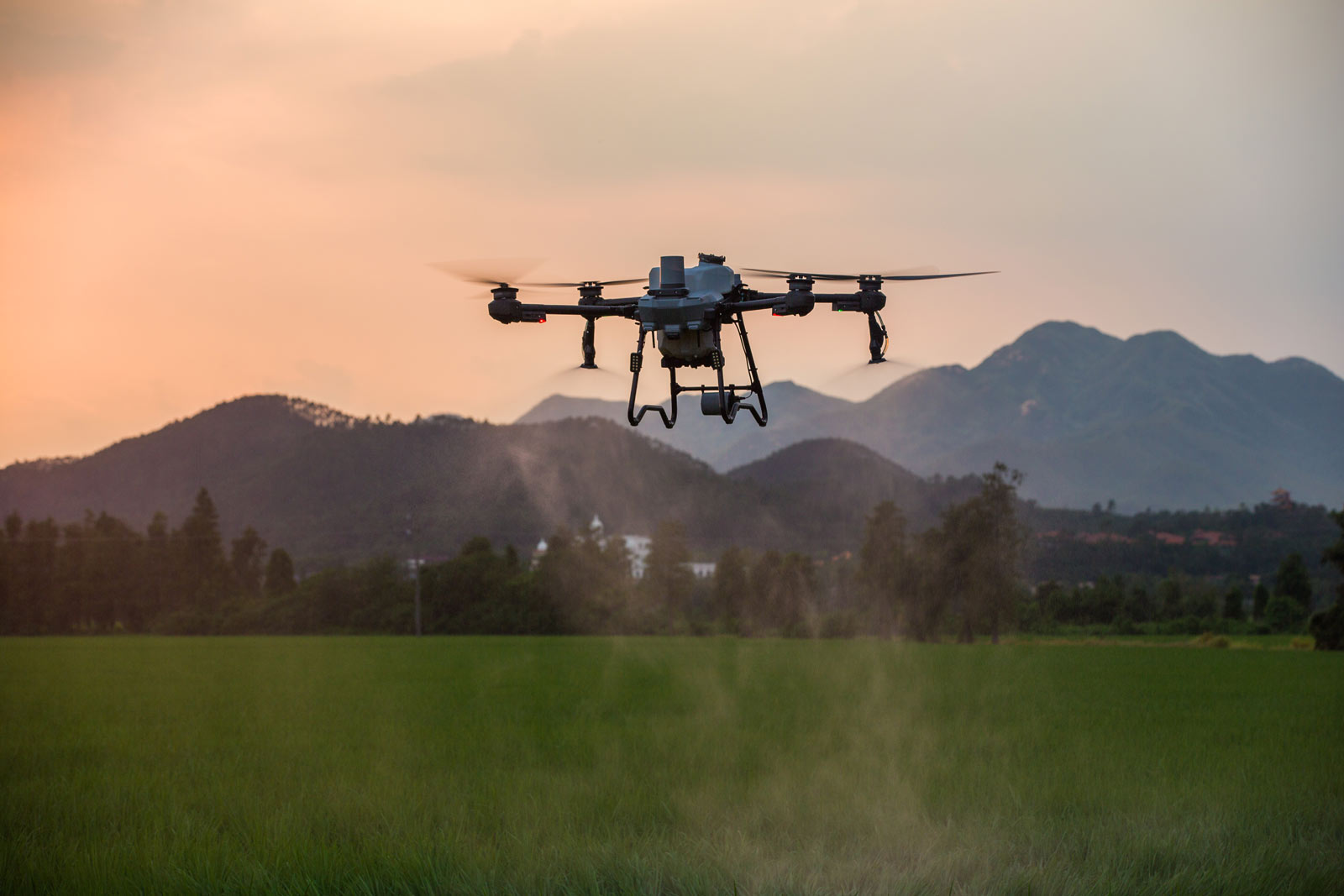
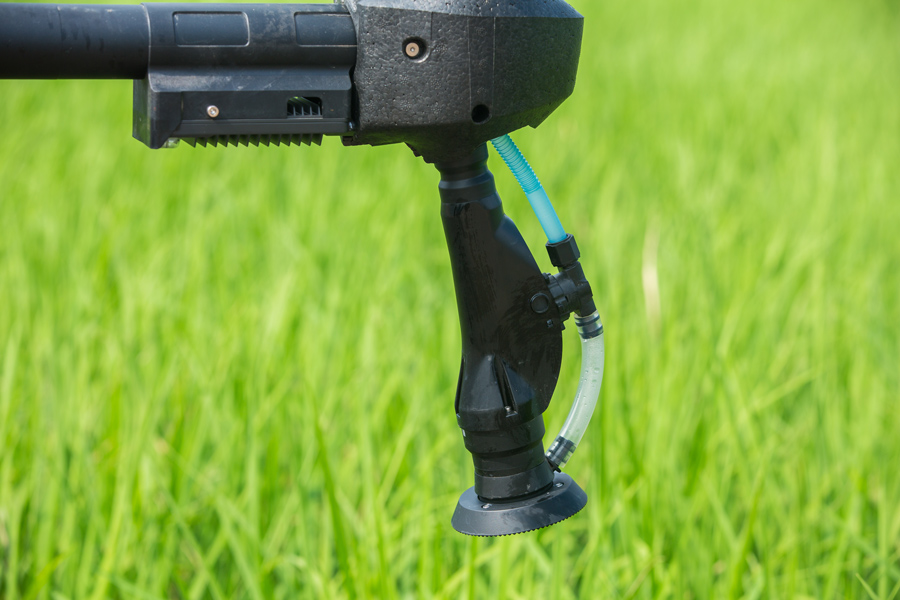
Both models utilise DJI’s magnetic drive impeller pumps and dual atomising spray nozzles. This setup produces a highly controllable droplet size that ensures thorough canopy penetration while minimizing chemical drift – a crucial factor for UK environmental compliance.
Where the models diverge is field efficiency. The T25P is built for faster turnarounds, working with heavier duty smart charging stations to maximize acreage per hour with less downtime. However, for straightforward, flat arable land where maximum daily speed isn’t your primary bottleneck, the standard T25 offers the exact same spraying precision at a more accessible entry price.
Autonomous Mapping and Boundary Intel
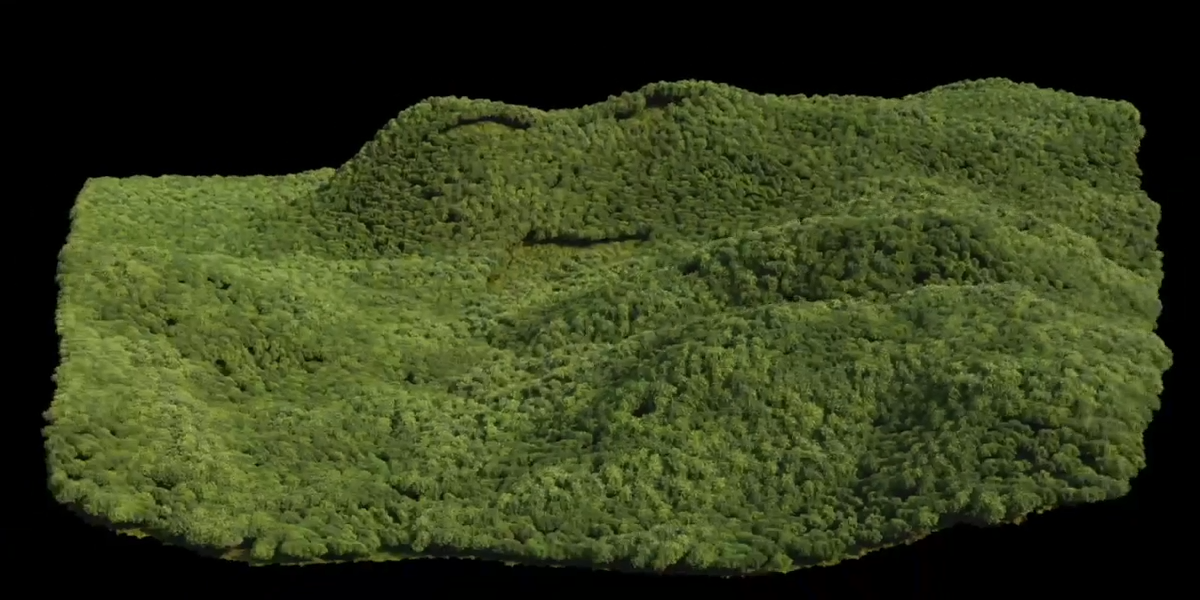
Beyond just dropping product, a major part of the T25 series’ appeal is its ability to map fields on the fly. Both drones feature an adjustable FPV gimbal camera that lets you survey slopes and boundaries in real time, generating high-resolution maps directly on the RC Plus remote control without needing an active internet connection.
However, this is another area where the T25P shows its premium edge. Thanks to its enhanced processing unit, the T25P can stitch together complex 3D maps of orchards and undulating hillsides much faster than the standard model. If you plan to use your drone frequently for orchard management, spot-spraying scripts, or variable-rate spreading applications where precision mapping dictates your entire workflow, the extra processing speed of the T25P pays for itself in saved time on the headland.
Which Agras Model is Right for Your Operation?
At Drone Sales UK, we advise matching the machine to your terrain rather than just buying the highest spec on paper. The standard DJI Agras T25 is an exceptional, cost effective tool for flat fields and moderate spraying schedules. Conversely, the Agras T25P is the clear choice for commercial contractors or farms with complex topography, dense obstacles, and high volume efficiency demands.
Investing in agricultural flight systems requires the right combination of hardware, training, and ongoing support. Whether you want to dive deeper into the technical specifications or arrange a consultation to see which bundle fits your farm’s layout, our specialist team is here to help you navigate the transition to aerial asset management.
Final Thoughts
The Agras T25 series proves that you don’t need a massive commercial aircraft to get serious agricultural results. By bringing professional tier spraying and spreading down to a manageable, single-operator size, DJI has made precision farming accessible to a whole new segment of the UK agricultural sector.