


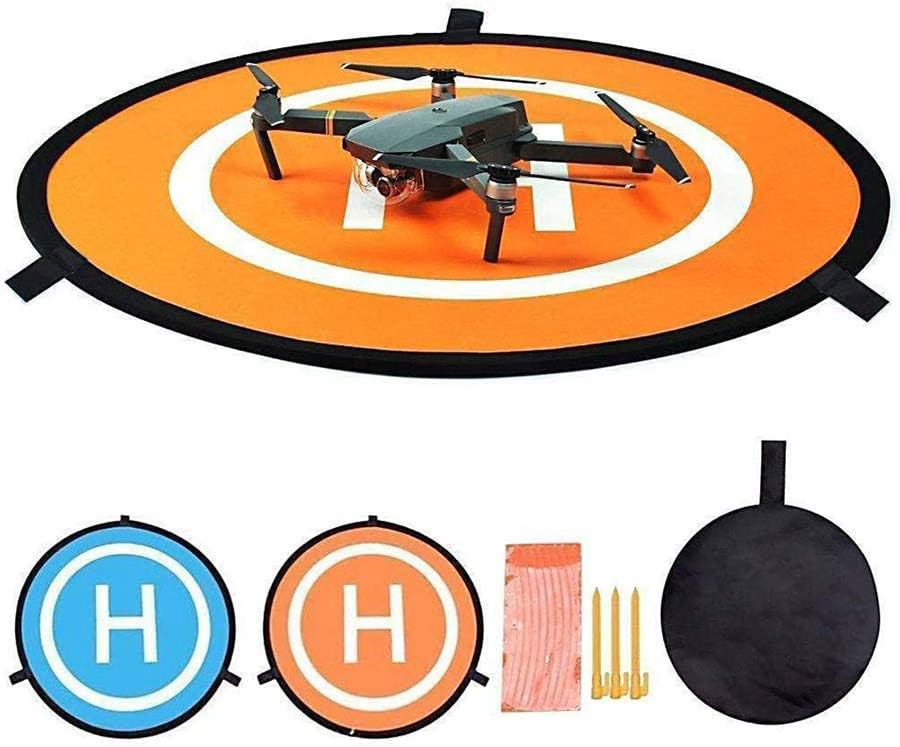
When it comes to drones, most people focus on the big-ticket items—high-resolution cameras, extended flight times, or advanced obstacle avoidance systems. But there’s one simple accessory that’s often overlooked and can make a huge difference to your flying experience: the humble drone landing pad.
Whether you’re an aerial photographer, a hobbyist, or a commercial pilot, a landing pad is a must-have accessory. Here’s why.
1. Protects Your Drone from Dust, Dirt and Debris
Taking off from grass, gravel, or sandy ground can kick up dust and small debris, which may damage your drone’s motors or camera gimbal. A drone landing pad provides a clean, stable surface, helping keep sensitive parts free from grit and prolonging your drone’s lifespan.
2. Safe Take-Off and Landing on Uneven Terrain
If you’re flying in grassy fields, rocky ground, or dusty tracks, finding a safe, level take-off spot can be tricky. A landing pad creates a clear, flat area that makes launching and landing much easier and more precise—especially for drones with downward vision sensors that can be confused by uneven surfaces.
3. Keeps Your Camera and Gimbal Clean
For drone photographers and videographers, image quality is everything. By reducing the amount of dirt and debris kicked up on take-off, you’re also protecting your camera lens and gimbal, ensuring sharp, clear footage every time.
4. Improves Visibility
Many landing pads are bright orange, blue, or have reflective strips—making them easy to spot from the air. This is particularly useful when flying in open fields or on beaches, where your drone’s return-to-home feature will benefit from a clear visual target.
5. Professionalism and Good Practice
For commercial pilots, a landing pad shows professionalism to clients. It demonstrates that you take safety and care seriously—something that can build trust when working on real estate shoots, events, or inspections.
Which Size Landing Pad Should You Choose?
Different drones suit different landing pad sizes. Here’s a quick guide:
✅ Large (110cm) – Ideal for bigger drones like the DJI Inspire 3 or DJI Matrice 4. The extra space makes it safer to land in windy or uneven conditions.
✅ Medium (75cm) – Perfect for all-rounders like the DJI Air 3S or DJI Mavic 4 Pro. A great balance between portability and safe take-offs.
✅ Small (55cm) – Best for lightweight, compact drones such as the DJI Flip, DJI Neo, or DJI Mini 4. Ideal for travel, hiking, and quick flights.
Landing Pads and Sensor Accuracy
Modern drones, including agricultural drones used for mapping and spraying, rely heavily on visual positioning systems (VPS) and downward-facing sensors to stabilise during take-off and landing. Surfaces like tall grass, gravel, or patterned ground can confuse these sensors, leading to wobbly landings or minor drift on take-off. A drone landing pad provides a uniform, high-contrast surface that improves sensor accuracy and gives your drone a clearer reference point. This is particularly important for DJI drones that use downward vision systems, like the Mavic, Air, and Agras series. By using a landing pad, you’re helping your drone perform smarter landings, reducing the risk of tip-overs or inaccurate return-to-home touch-downs. Whether you’re a recreational pilot, a commercial operator, or flying agricultural drones in the field, consistent, sensor-assisted take-offs and landings improve flight safety and reliability.
Essential for UK Weather Conditions
Flying drones in the UK—especially agricultural drones operating in fields, pastures, or near crops—means dealing with unpredictable weather, damp grass, muddy ground, and gusty conditions. These environmental factors can make ground conditions far from ideal for safe take-off and landing. A drone landing pad acts as a barrier between your aircraft and the wet or dirty surface beneath it, preventing moisture from seeping into vents and protecting the gimbal from splashes. For UK-based drone pilots, particularly those flying in rural or coastal areas, a landing pad is an essential piece of kit that adds a layer of protection year-round. Even in dry conditions, strong gusts during landing can cause your drone to shift slightly—having a large, flat, non-slip surface helps ensure a smooth touch-down. If you’re serious about keeping your drone clean, safe, and operational across Britain’s varied terrain, investing in a quality landing pad is a smart move.
Final Thoughts – An Essential Accessory
A drone landing pad might seem like a minor purchase compared to your aircraft, but it’s one of the most useful, affordable accessories you can own. It protects your investment, helps with safer flying, and keeps your footage looking sharp.
If you don’t already have one, we highly recommend adding a landing pad to your kit—it’s a small upgrade that makes a big difference.
✅ Shop our range of drone landing pads here – perfect for DJI, SwellPro, and other leading drone brands.