


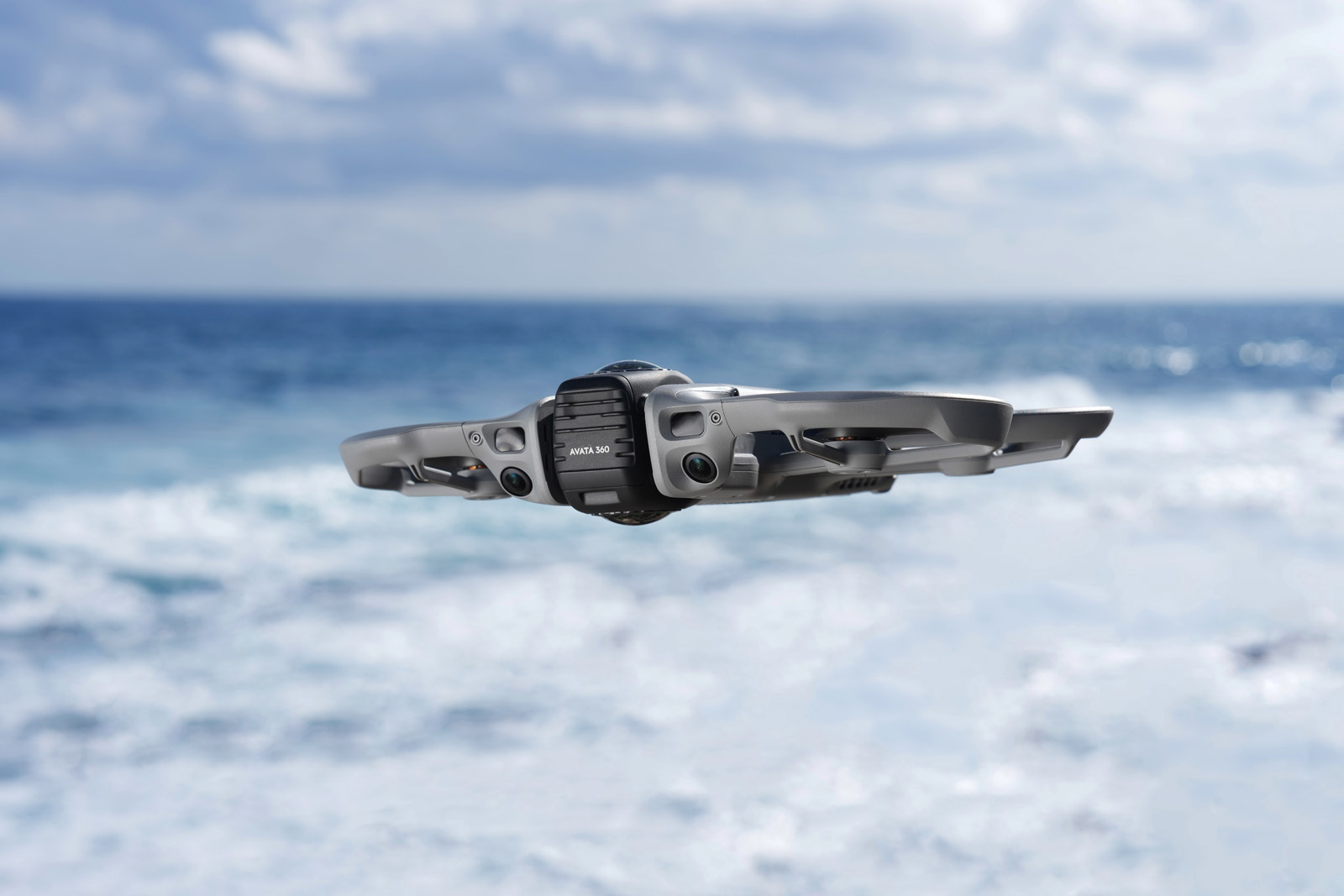
Flying a drone over water is one of the most rewarding experiences for any pilot, offering the opportunity to capture stunning reflections, dramatic coastlines, and unique perspectives that simply cannot be achieved on land. From sweeping shots of the British coastline to tranquil lakes in the countryside, water-based drone footage has a distinctive look that continues to grow in popularity. At Drone Sales, we regularly speak with customers who are keen to take their flying to the next level, and operating over water is often one of the first challenges they want to master. It is also one of the environments where preparation, knowledge, and the right equipment make all the difference between a successful flight and a costly mistake.
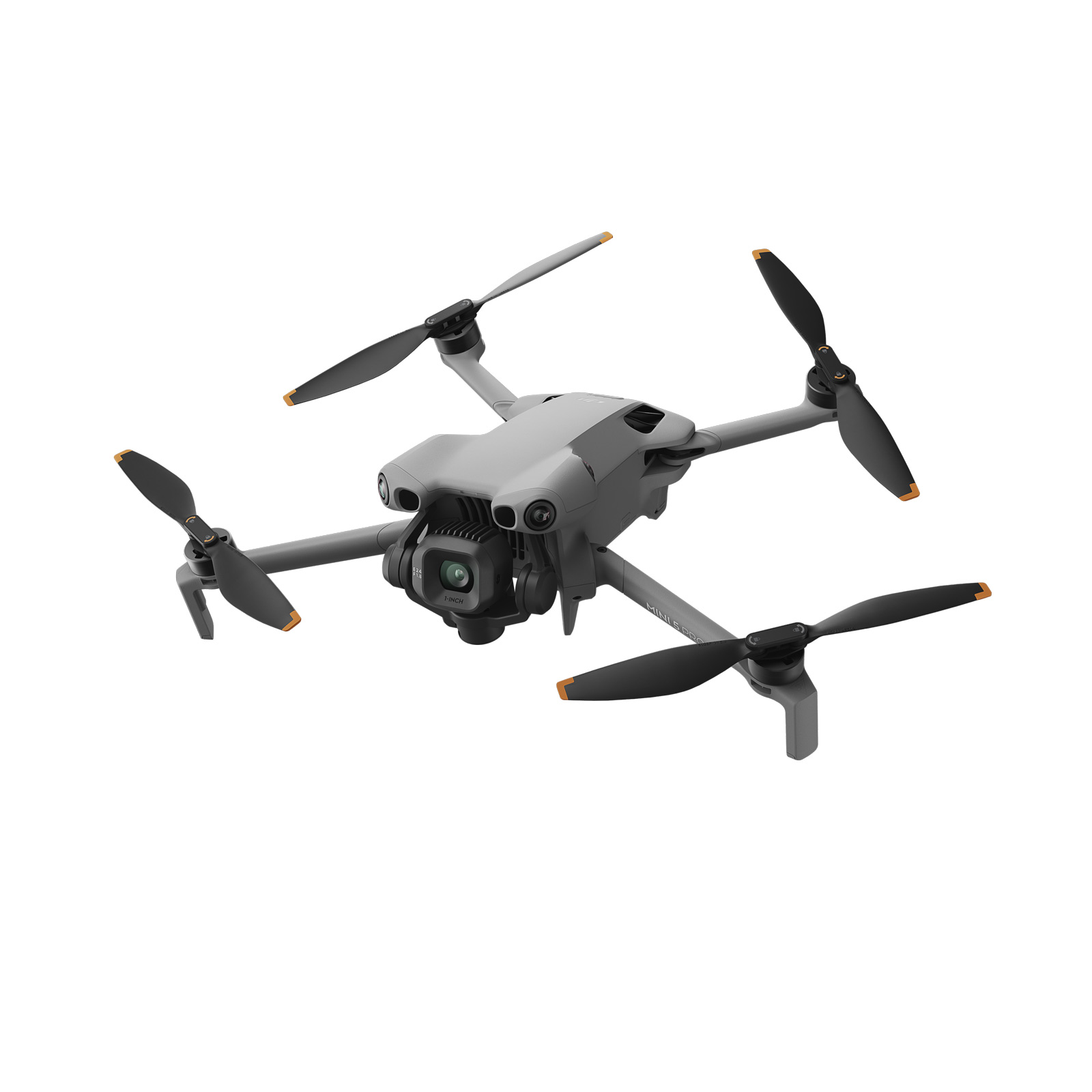
Modern drones have made this process far more accessible than it once was. Models such as the DJI Mini 5 combine compact design with advanced stabilisation and intelligent flight systems, making them well suited to handling the demands of flying over water. Despite this, it is important to understand that water introduces a completely different set of risks compared to flying over land. There is no margin for error if something goes wrong, and even experienced pilots approach water flights with a heightened level of caution.
Understanding the Risks of Flying Over Water
Before even thinking about taking off, it is essential to understand why flying over water requires a different approach. Unlike land, water does not offer any safe landing options. A minor technical issue, sudden gust of wind, or momentary lapse in concentration can result in the drone being lost entirely. Recovery is often impossible, particularly in deeper or moving water.
Another factor to consider is how water can affect a drone’s sensors. Many drones rely on downward vision systems to maintain stable hovering, but reflective surfaces such as water can confuse these sensors. Calm water can act like a mirror, while choppy conditions create constantly shifting patterns, both of which can interfere with altitude stability.
Signal interference can also be more noticeable near large bodies of water, particularly in coastal areas where cliffs or structures may obstruct the connection between the drone and controller. Understanding these risks is the first step in reducing them.
Choosing the Right Conditions Before You Fly
Weather plays a crucial role in any drone flight, but it becomes even more important when flying over water. Wind speeds are often higher and less predictable near coastlines, and open water offers no natural barriers to reduce its impact.
At Drone Sales, we always advise checking multiple weather sources before heading out. Even if conditions seem calm on land, they may be significantly different just a short distance away over the water. Early mornings and late evenings often provide the most stable conditions, with lighter winds and softer lighting that enhances the quality of your footage.
Visibility is another key factor. Clear conditions not only improve the final result but also help you maintain a strong visual line of sight with your drone. This is particularly important over water, where depth perception can be more difficult.
Maintaining a Safe Altitude and Distance
One of the most common mistakes we see is pilots flying too low over water in an attempt to achieve dramatic shots. While low-level footage can look impressive, it significantly increases the risk of losing your drone. Small changes in altitude, unexpected waves, or sudden drops in signal can quickly turn a controlled flight into a problem.
Maintaining a slightly higher altitude gives you more time to react and reduces the chances of water interference affecting the drone’s sensors. It also allows you to better assess your surroundings and adjust your flight path if needed.
Distance is equally important. Keeping your drone within a comfortable range ensures you maintain a strong signal connection and can respond quickly to any issues. Pushing the limits of range over water is rarely worth the risk, particularly for beginners.
Understanding How Water Affects Your Drone’s Sensors
Modern drones rely heavily on sensors for stability, positioning, and obstacle detection. When flying over water, these systems can behave differently. Downward sensors may struggle to accurately measure distance due to reflections, while obstacle avoidance systems may not detect water surfaces in the same way they would solid objects.
This is why it is important to avoid relying entirely on automated systems when flying over water. While intelligent features are incredibly useful, they should be used as support rather than a replacement for manual control.
At Drone Sales, we always encourage pilots to develop a strong understanding of how their drone behaves in different environments. Spending time practising over land before attempting water flights can help build the confidence needed to handle these situations effectively.
Battery Awareness and Flight Planning
Battery management is one of the most critical aspects of flying over water. Unlike land-based flights, where an emergency landing may still allow you to recover your drone, water offers no such safety net.
Always begin your flight with a fully charged battery and plan your route carefully. It is important to allow enough time to return to your take-off point with a comfortable margin of battery remaining. Wind conditions can affect flight time, particularly when flying against the wind on the return journey.
The intelligent flight battery found in modern drones provides useful data, including remaining flight time and battery health. Paying close attention to this information throughout your flight can help you avoid unexpected issues.
Taking Off and Landing Safely
Launching and landing near water requires careful consideration. Uneven surfaces, sand, and moisture can all pose risks to your drone. Wherever possible, choose a stable, dry area away from the water’s edge for take-off and landing.
If this is not possible, using a landing pad can provide a clean and stable surface. This helps prevent debris from being drawn into the drone’s motors and reduces the risk of damage.
Hand launching and catching is another technique used by experienced pilots, particularly when operating from boats or confined spaces. However, this requires practice and should only be attempted once you are confident in your ability to control the drone safely.
Keeping a Strong Signal Connection
Maintaining a reliable connection between your drone and controller is essential, especially over water. Open environments can sometimes improve signal strength, but obstacles such as cliffs, buildings, or even boats can still cause interference.
Positioning yourself in a clear, elevated area can help maintain a stronger connection. Keeping the controller’s antennas correctly oriented towards the drone also plays a significant role in signal stability.
It is important to remain aware of your surroundings and avoid flying behind obstacles that could disrupt the signal. Even a brief loss of connection can lead to unexpected behaviour, particularly if the drone initiates a return-to-home sequence in a challenging environment.
Planning Your Shots Before You Fly
Flying over water presents unique creative opportunities, but it is important to plan your shots in advance rather than improvising in the air. Having a clear idea of what you want to capture allows you to focus on flying safely while achieving your desired results.
Consider the direction of light, the movement of water, and any surrounding features that could enhance your footage. Smooth, controlled movements tend to produce the best results, particularly when capturing reflections or following the natural flow of the water.
At Drone Sales, we often recommend practising your planned movements over land before attempting them over water. This helps build confidence and reduces the likelihood of mistakes during the actual flight.
Respecting UK Regulations and Local Environments
Flying over water in the UK often involves operating in areas that may have additional restrictions, such as coastal regions, nature reserves, or busy public spaces. It is important to familiarise yourself with the relevant regulations before flying.
Maintaining a safe distance from people, wildlife, and vessels is essential. Coastal areas can be particularly sensitive, with protected species and habitats that must be respected.
Being mindful of other water users, including swimmers, kayakers, and boat operators, is also important. Responsible flying not only keeps you safe but also helps protect the reputation of drone pilots as a whole.
Building Confidence Through Experience
Like any aspect of drone flying, confidence comes with experience. Starting with shorter, simpler flights over water can help you gradually build your skills and understanding. As you become more comfortable, you can begin to explore more complex shots and environments.
At Drone Sales, we always emphasise the importance of taking a measured approach. There is no need to rush into challenging situations. Developing your abilities step by step will ultimately lead to better results and a more enjoyable experience.
Flying over water can be incredibly rewarding when done correctly. With the right preparation, equipment, and mindset, it opens up a whole new world of creative possibilities. Contact our team to find out more.