


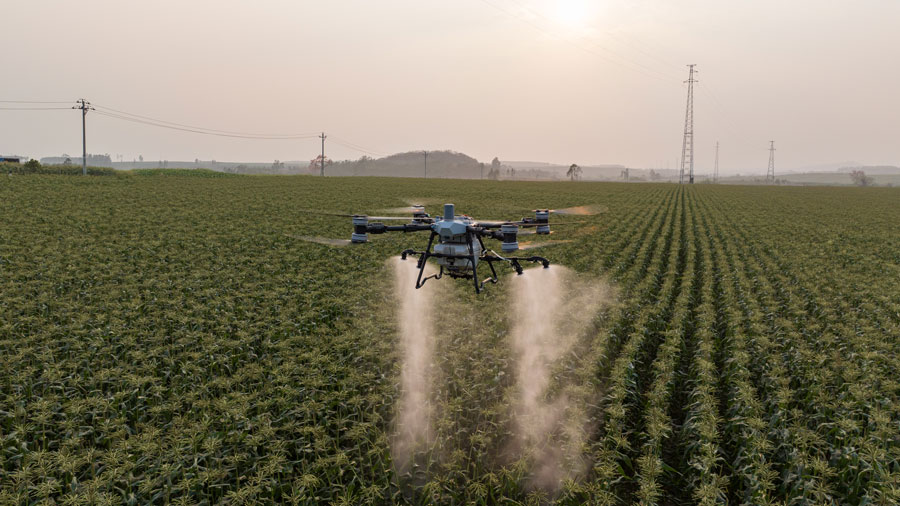
Agricultural Drones in the UK: A Practical Guide for Farmers
Agriculture across the UK is evolving quickly, and more farmers are turning to agricultural drones to reduce costs, improve efficiency, and get clearer insights into crop and land performance. Whether you’re a mixed farming operation, a livestock enterprise, or a large arable estate, drones are becoming one of the most reliable tools in modern farming.
What Are Agricultural Drones?
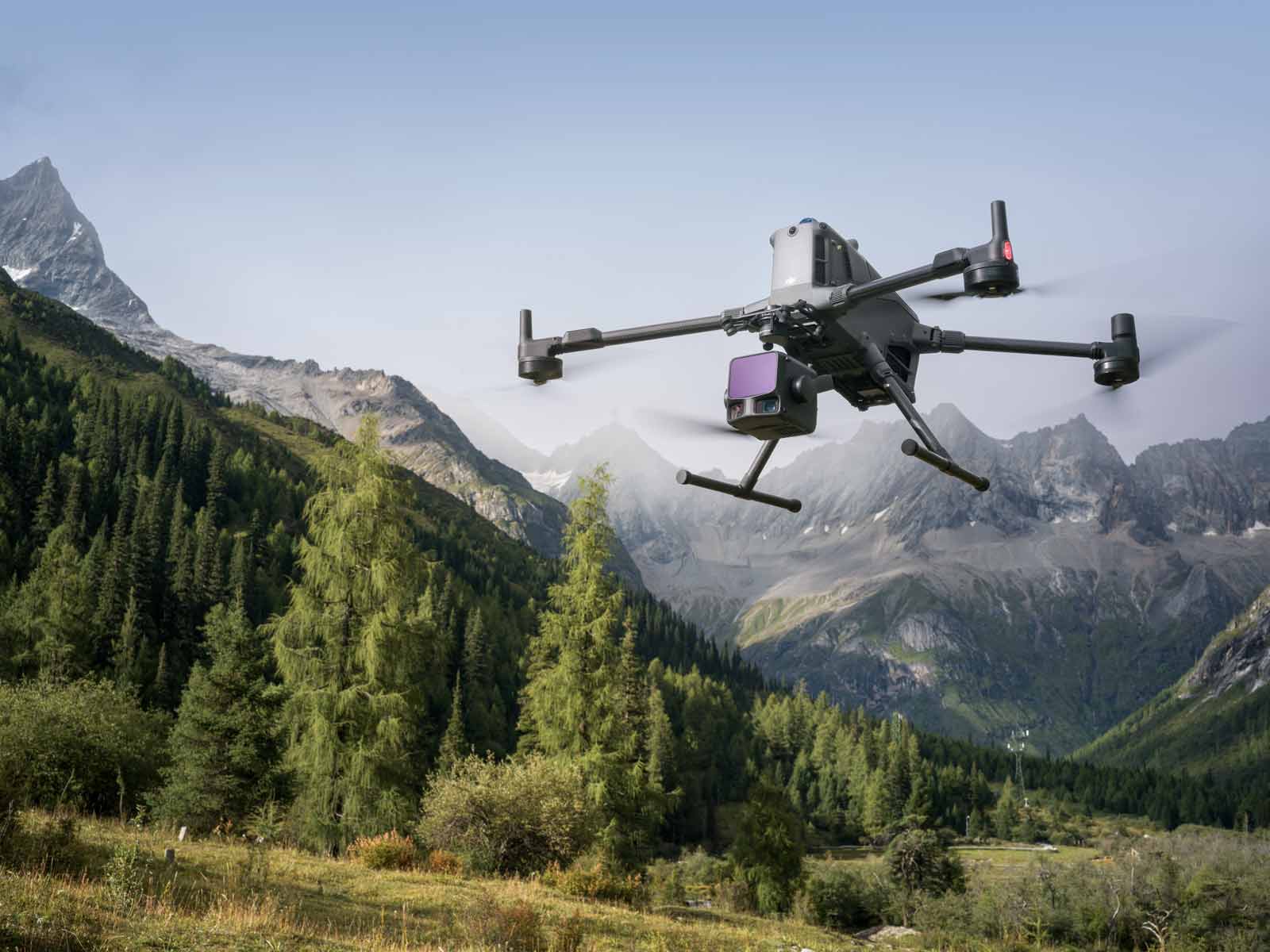
Agricultural drones (also known as agri drones or farming drones) are unmanned aerial vehicles designed to help farmers with tasks such as:
- Crop spraying and spreading
- Field surveying and mapping
- Multispectral plant-health analysis
- Livestock monitoring and locating animals
- Creating prescription maps for variable-rate applications
- General farm inspections and estate assessment
If you’re starting to invest in farm technology, drones offer rapid improvement in land awareness, crop health, and operational efficiency.
Why UK Farmers Are Adopting Agricultural Drones
1. Faster, More Accurate Crop Monitoring
Walking fields takes time. A drone can survey hundreds of acres in minutes, producing detailed RGB and NDVI imaging to identify:
- Crop stress
- Pest or weed outbreaks
- Waterlogging or drainage issues
- Nutrient deficiencies

These insights allow farmers to act early – boosting yield potential and improving long-term field performance.
2. Reduced Chemical Use & More Targeted Spraying
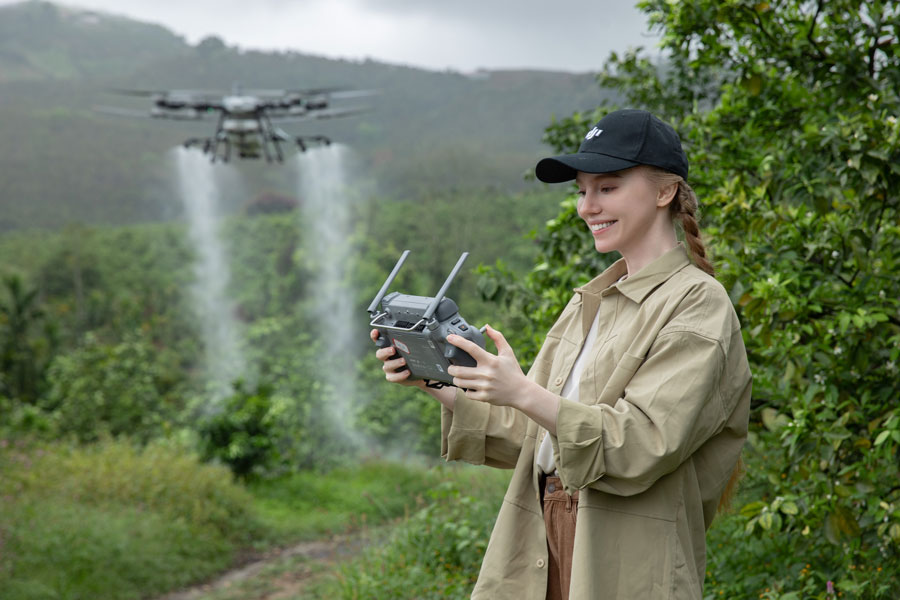
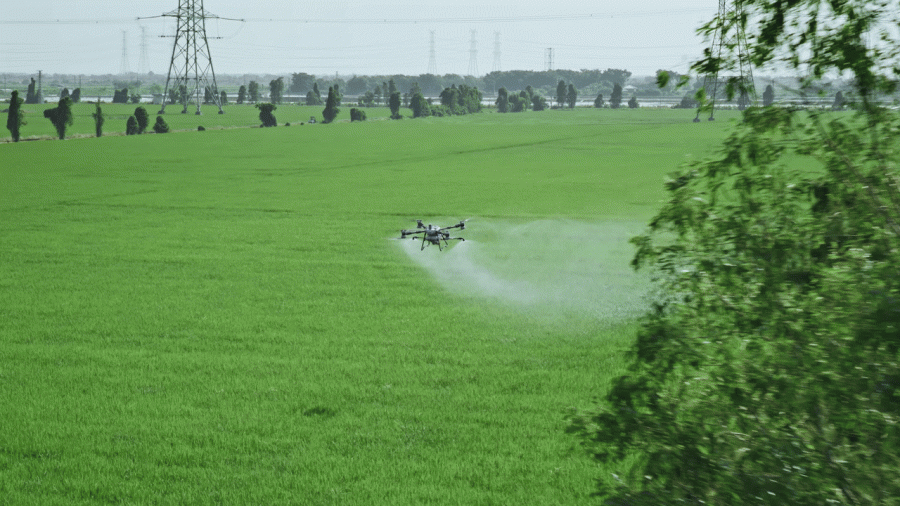
Spraying drones such as the DJI Agras T100 deliver precise applications directly to where they’re needed.
- Lower fertiliser and pesticide usage
- Reduced soil compaction (no tractor passes)
- Minimal chemical drift
- Improved spray consistency
3. Labour Efficiency
Labour shortages in rural areas are a growing challenge. Drones allow a single trained operator to do the work of multiple people, handling spraying, mapping, and inspections quickly and safely.
4. Better Data = Better Decisions (Improved ROI)
Agricultural drones give farmers real, measurable data—not guesswork. By analysing crop health, soil conditions, and treatment effectiveness, farms can make evidence-based decisions that significantly improve yield and reduce unnecessary spending. This data-driven approach is one of the strongest contributors to fast return on investment.
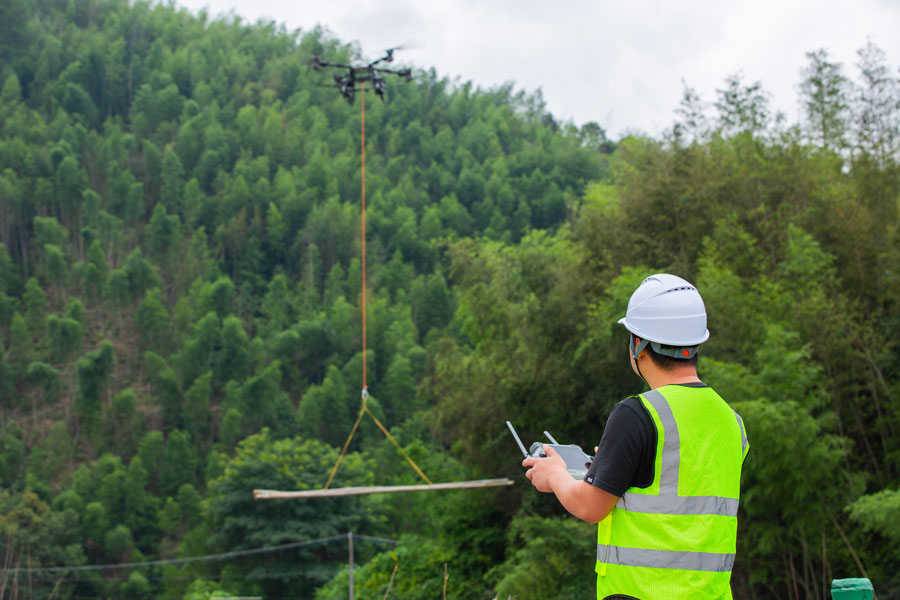
Drones are also increasingly used for lifting lightweight agricultural materials, moving supplies across rough terrain, and accessing hard-to-reach areas—saving time and reducing manual labour.
Common UK Agricultural Use Cases
✔ Crop Spraying & Spreading
Highly efficient spraying using drones like the Agras T100 is becoming popular across cereals, OSR, vineyards, orchards, and grassland management.
✔ Field Mapping & Land Surveys
The DJI M400 is ideal for high-accuracy mapping, drainage planning, and creating detailed terrain models.
✔ Livestock Monitoring (Locate & Tag Animals)
Farmers can use drones to scan large areas quickly, especially in hilly or rough terrain. Drones help:
- Locate livestock fast
- Identify escaped or vulnerable animals
- Assist with tagging and record-keeping using aerial ID confirmation
- Monitor pasture quality and grazing pressure
✔ Prescription Mapping for Smarter Applications
Multispectral drones create detailed variable-rate prescription maps, enabling treatment only where necessary—reducing chemical usage and boosting ROI.
✔ Estate & Asset Inspections
Inspect barns, roofs, solar panels, fences, drainage, or machinery areas in minutes rather than hours.
Understanding the ROI of Agricultural Drones
Most UK farmers see a return on investment within 6–18 months. Savings typically come from:
- Lower chemical and fertiliser costs
- Less tractor usage and fuel consumption
- Reduced labour requirements
- Fewer crop losses due to earlier problem detection
- Better compliance for SFI and environmental schemes
With the right drone, UK farms gain better efficiency, clearer insights, and stronger profitability.
Ready to Explore Agricultural Drones?
Browse the latest models and agricultural drone solutions here:
Drones are no longer “future farming”—they’re already transforming UK agriculture. With better data, faster operations, and increased yield potential, agricultural drones are becoming a core part of modern farm management.